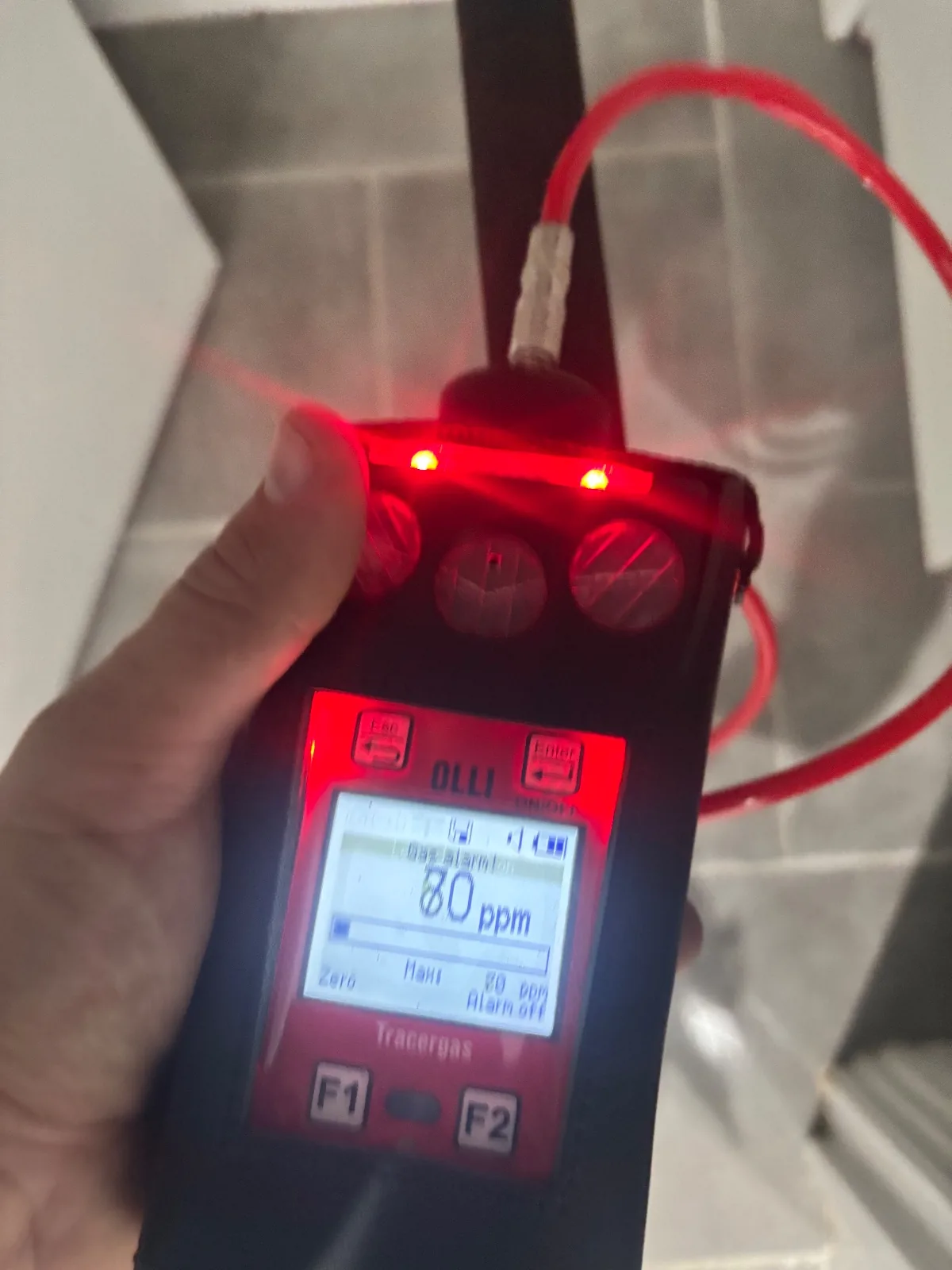
Toilet leak and running cistern repair
We find the fault, show you the failed part and quote the repair in writing before any work starts.
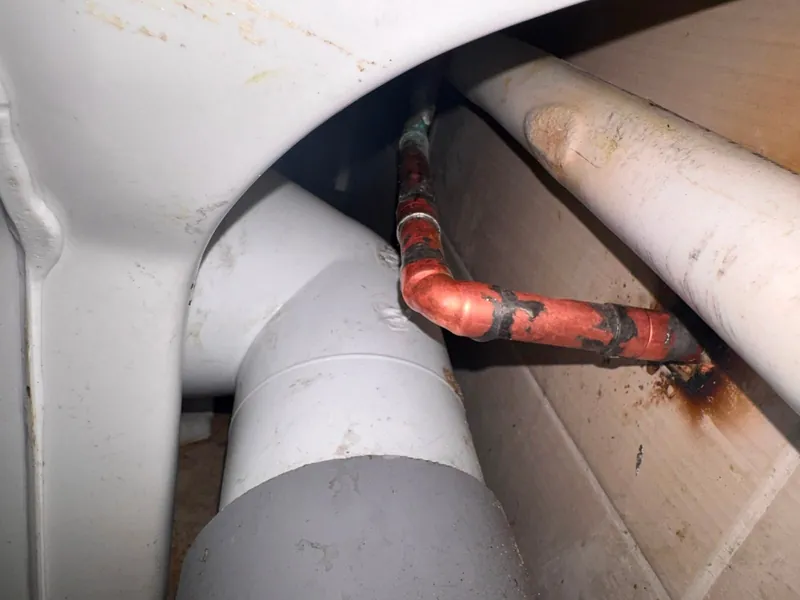
The quick version
- What it is
- Diagnosing and repairing a running cistern, a toilet leaking into the pan, or a leak at the cistern, hose or base, and tracing the water when the toilet is not the cause.
- What it costs
- Leak finding £150/hr, quoted first and not exceeded. No VAT charged. The repair is quoted separately in writing.
- What you get
- Written report with photos when a survey is needed, and a written repair quote.
Signs you may need this
- The cistern refills by itself or hisses when nobody has flushed
- A trickle or ripple down the back of the pan
- Water dripping from the overflow pipe outside
- Damp at the cistern joints, the hose or the base of the pan
- A meter that moves with every tap and appliance off
How we find it
Most toilet leaks come from a worn flush valve that lets water slip into the pan, or a fill valve that does not shut off, and both are small repairs once identified. We find the fault, show you what we found, and quote the repair in writing before any work starts.
What we do about a toilet leak
We are a leak detection company first, and we are plumbers as well. That order matters for toilets, because a toilet that leaks is the commonest silent leak in a home, and it is also the one most often blamed on something else. A cistern that tops itself up every few minutes, or a thin trickle down the back of the pan, rarely makes a noise you would call up a plumber for. It shows up on the water meter or the bill instead.
When you book us for a toilet, we do three things in order. We confirm that the toilet is the leak and not a pipe somewhere else. We identify the failed part and show it to you. Then we write the repair quote, and we carry out the work once you accept it. We do not print repair prices on this site, because the part, the make of the cistern and the access all change the job. The quote is written, itemised and agreed before we start.
To arrange a visit, report a leak or ring 020 3961 5444. If you are not sure whether the toilet is the cause, the checks further down take about half an hour and need no tools.
Which kind of toilet leak is it?
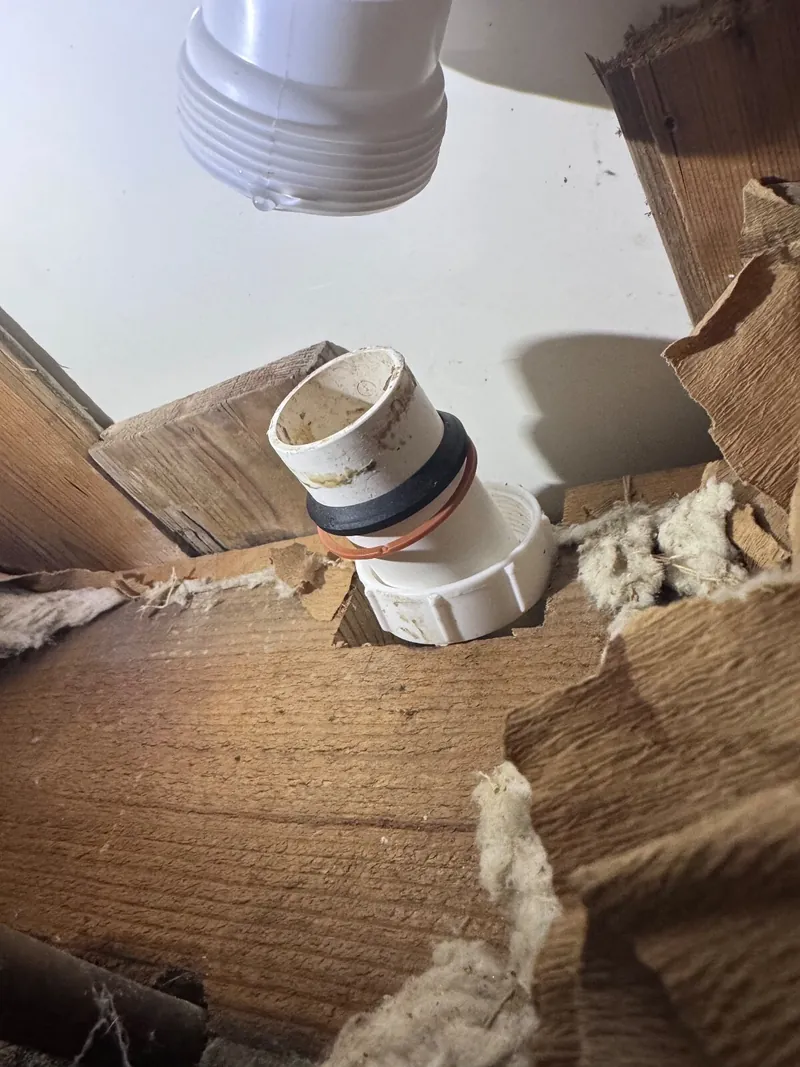
Different faults look different. Use the table to narrow it down before you touch anything. The likely causes are our practitioner judgement from common faults, not a diagnosis of your toilet, and a toilet can have more than one fault at once.
| What you notice | Likely cause (our judgement) | Safe first check |
|---|---|---|
| The cistern refills every few minutes, or you hear hissing or a faint trickle with nobody using it | A flush valve or flap that no longer seals, letting water slip into the pan, so the fill valve keeps topping up | The paper test and the water-level mark, both below |
| Water runs continuously into the cistern and the level never settles | A fill valve (the float valve) that will not close, or a float set too high | Lift the lid and see whether water is running into the overflow pipe |
| Water dripping or running outside the house from a small pipe in the wall | The cistern overflowing through its overflow or warning pipe, usually because the fill valve is not shutting off | Close the small isolation valve on the supply to the cistern, then call |
| A thin trickle or ripple down the back of the pan | A worn flush seal or a flap held open by a snagged chain or limescale | Dry the back of the pan and check again after a flush |
| Slow refill after a flush, weak flush, noisy refill | A partly blocked or worn fill valve, a closed or part-closed isolation valve, or low supply pressure | See low water pressure causes and checks |
| Dampness or a drip at the joint between the cistern and the pan, or where the flush pipe meets the pan | A worn washer or seal, or a loose connection | Dry it with a cloth and watch where it first returns |
| A pool of water around the base of the pan, or a wet floor that returns after you mop it | A failed seal at the waste connection, a cracked pan or a leak from a supply pipe or hose | Do not use the toilet until you know what the water is. Read the warning below |
| Water on the floor beside the cistern, or a stain on the ceiling below | A leaking supply hose or its connector, a cracked cistern, or a leaking isolation valve | Close the isolation valve and see whether the leak stops |
Three checks you can do safely
Thames Water’s page on identifying leaks, read on 25 November 2026, says a leaking toilet can waste on average around 400 litres a day, and that the cause is usually a faulty flush valve or fill valve inside the cistern. It gives two checks. The third is the meter test, which tells you whether the water is being lost at all.
- Paper test for the pan. Thames Water says to wait 30 minutes after a flush, dry the back of the pan, lay a dry piece of toilet paper there and leave it for at least three hours without using the toilet. Overnight is simplest. If the paper is wet or torn, water is getting into the pan.
- Level check for the flush valve. Thames Water says to mark the water level in the cistern, and look again after 10 minutes. If the level has dropped, it points to the flush valve. A pencil line on the inside of the cistern, or a strip of tape on the outside of a clear cistern, does the job.
- Overflow check for the fill valve. Lift the lid with both hands, because a ceramic lid is heavy and breakable, and see whether water is running into the overflow tube. If it is, the fill valve is the likely culprit, according to Thames Water’s page. A slow refill or a weak flush also points to the fill valve.
You can stop most of this by closing the small isolation valve on the pipe feeding the cistern, usually a slotted screw or a lever near the base of the cistern. A cistern inlet is expected to have a servicing valve beside it under the Water Supply (Water Fittings) Regulations 1999, as we read schedule 2 as made, so if yours has none, a plumber can add one. Close it, flush, and the cistern should not refill. If it does refill, the valve is not sealing. If it does not, the supply is shut and you have bought yourself time.
Do not bend the float arm or force the fill valve to make it stop. Do not drop anything down the overflow. If the lid is hard to lift, or there is a concealed cistern behind a panel, leave it and call us. We would rather open a panel carefully than repair a cracked cistern.
Is the toilet the leak, or only one of them?
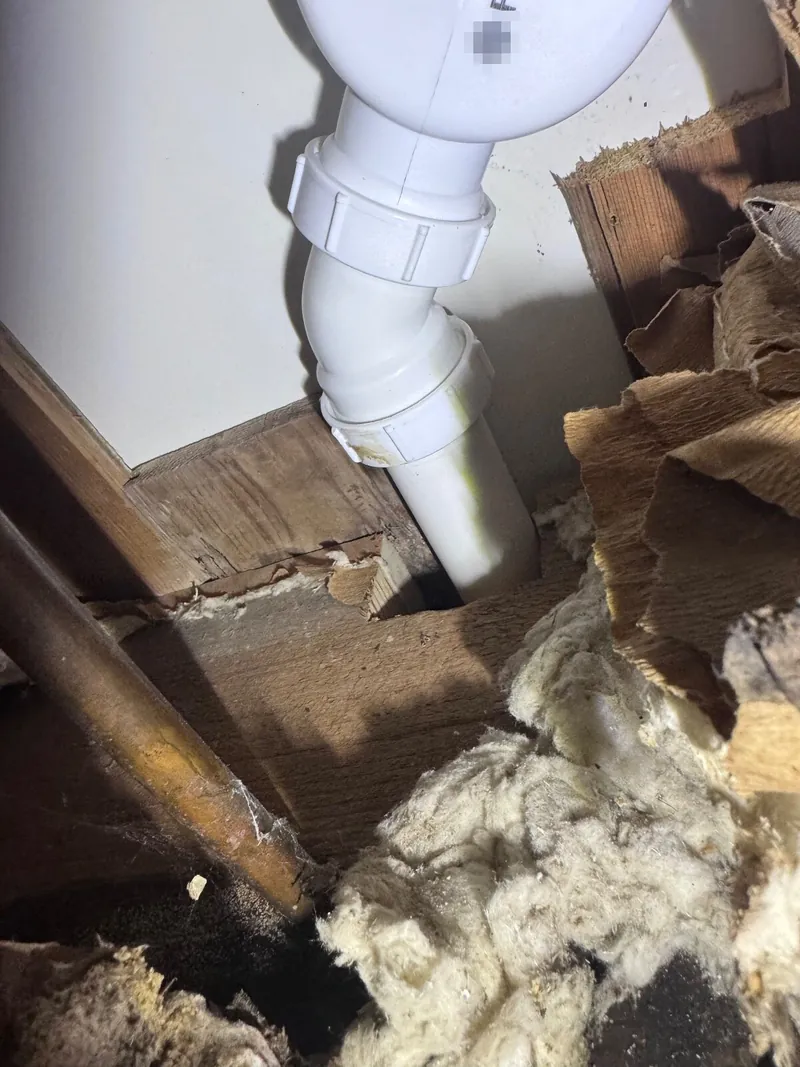
A toilet is the first place to look when a meter moves with everything off. It is not always the answer. If you close the isolation valve to the cistern and the meter still moves, the loss is somewhere else. How to do a water meter leak test gives Thames Water’s 30 minute method, and why is my water meter reading so high lists the other causes.
The sums for what a running toilet costs are in what a dripping tap and a running toilet cost per year. We have not repeated them here. If you are metered, the bill is the reason to act early. If you are not, a running toilet still wastes water, and it may still matter for your insurer, as set out in gradual leak or sudden escape of water.
If a toilet leak has been running for some time, Thames Water has a leak allowance for metered customers once a leak is repaired. Its conditions and deadlines change, so read its current page and keep the repair invoice. Leak allowance evidence checklist lists what to keep.
What the repair usually involves
Most toilet repairs are parts swaps on the cistern. The list below is what we commonly meet. Which of them applies, and what it costs, is set by your cistern, so each is quoted in writing after we have looked. We do not give a price range here.
- A new fill valve, so the cistern stops at the right level and shuts off properly.
- A new flush valve or flap seal, so water stops slipping into the pan.
- New cistern-to-pan seals or fixings, or a replacement flush pipe connector where the joint weeps.
- A new flexible supply hose, or a new isolation valve at the cistern, where the old one drips or will not close.
- Resetting a float or chain that is catching, when that is the whole fault.
- A replacement cistern or pan where the porcelain is cracked, or the parts for an older cistern are no longer made. In that case we explain the options and quote each one.
A cistern fill valve should have an overflow arrangement that warns you before water spills, and the regulations expect a warning pipe on a flushing cistern with its outlet placed where discharge is easily seen, as we read schedule 2 as made. That is why a dripping pipe outside is a sign to act, not a nuisance to ignore. We will not remove or block an overflow or warning pipe to hide a symptom.
Old cisterns can be awkward. Some older low-level and high-level cisterns use fittings that are hard to match, and the parts may not be a straight swap. If a cistern is not worth repairing, we say so and give you the options before anything is ordered. You decide.
What happens when you book us
- You tell us what you have seen and which of the checks you have done. Report a leak takes a few minutes.
- We visit, check the cistern and its valves, and if the toilet is not the whole story, we look for the other source of loss.
- We show you the failed part and explain the fault.
- We give you a written quote for the repair. You accept it or you do not. We do not carry out repairs on a verbal guess.
- We carry out the work, test the cistern and the valve in front of you and leave the isolation valve working.
Water Leaks London is independent. We are not Thames Water or any water supplier, and we cannot tell you what a water company will accept. For the rest of the series, see the guides hub.
Last reviewed .
Sources
- Identifying leaks at home, Thames Water
- Water Supply (Water Fittings) Regulations 1999, schedule 2 (as made), legislation.gov.uk
Want it located, not guessed at? Call us
What the price covers
- £100 for the first hour, then £150 an hour, quoted before we start.
- No VAT charged.
- Tracer gas, acoustic detection, thermal imaging, a camera inspection and a written repair quote are included in the standard price.
- Written report with photos.
No find, no fee: if a leak is present and we do not find it, you pay nothing.
Found the leak? We quote the repair.
Repairs are quoted in writing once the leak is located. Every fix is different, so there is no repair price list.
We are plumbers as well as leak specialists, so we can carry out the repair once you approve the quote.
Related
- What a dripping tap and a running toilet cost per yearWater bills
- How to do a water meter leak testWater meter
- Leaking tap repair and replacementLeaking now
- Plumbing leak repair in LondonLeaking now
We cover every London borough from one call-out area, so there is no separate page to find for your part of London.
Questions about this service
How do I know if my toilet is leaking?
Thames Water suggests a toilet paper test: wait 30 minutes after a flush, dry the back of the pan, lay a dry piece of paper there and leave it for at least three hours. Wet or torn paper means water is getting into the pan. Also listen for hissing or a cistern that refills when nobody has flushed.
Why does my toilet keep running after I flush?
Usually the fill valve is not shutting off, a float is set too high, or the flush valve is not sealing, so the cistern keeps topping up. Marking the water level and checking it after 10 minutes, as Thames Water suggests, tells you whether the flush valve is letting water out.
Can I stop a running toilet myself?
You can close the small isolation valve on the pipe feeding the cistern, which stops the refill. That is a safe temporary step. Replacing the fill valve or flush valve is a job we would normally do, particularly on a concealed or older cistern.
How much water does a leaking toilet waste?
Thames Water says a leaking toilet can waste on average around 400 litres a day. The sums and the cost per year are in our page on what a dripping tap and a running toilet cost.
Water is dripping from a small pipe outside the wall. What is it?
Most likely the overflow or warning pipe from the cistern, which carries water out of the house when a fill valve does not shut off. Close the isolation valve on the cistern and arrange a repair, because the water will keep running.
Is the water around the base of my toilet clean?
You cannot assume so. It may be supply water, or it may be waste water. Avoid contact, keep children and pets away, stop using the toilet and have it looked at. See the warning on this page.
How much does a toilet repair cost?
We do not publish a repair price, because it depends on your cistern, the part and the access. We quote it in writing after we have looked, and the leak finding charge is shown on our pricing page.
Can I claim a leak allowance for a leaking toilet?
Thames Water has a leak allowance for metered customers, with its own conditions and deadlines. Read its current page, keep the repair invoice and check the conditions before you rely on it.

Talk to someone about your leak
£100
for the first hour, then £150 an hour, everything included
No find, no fee. No VAT. Repairs quoted in writing once the leak is found.