
What a smart meter is, in Thames Water’s words
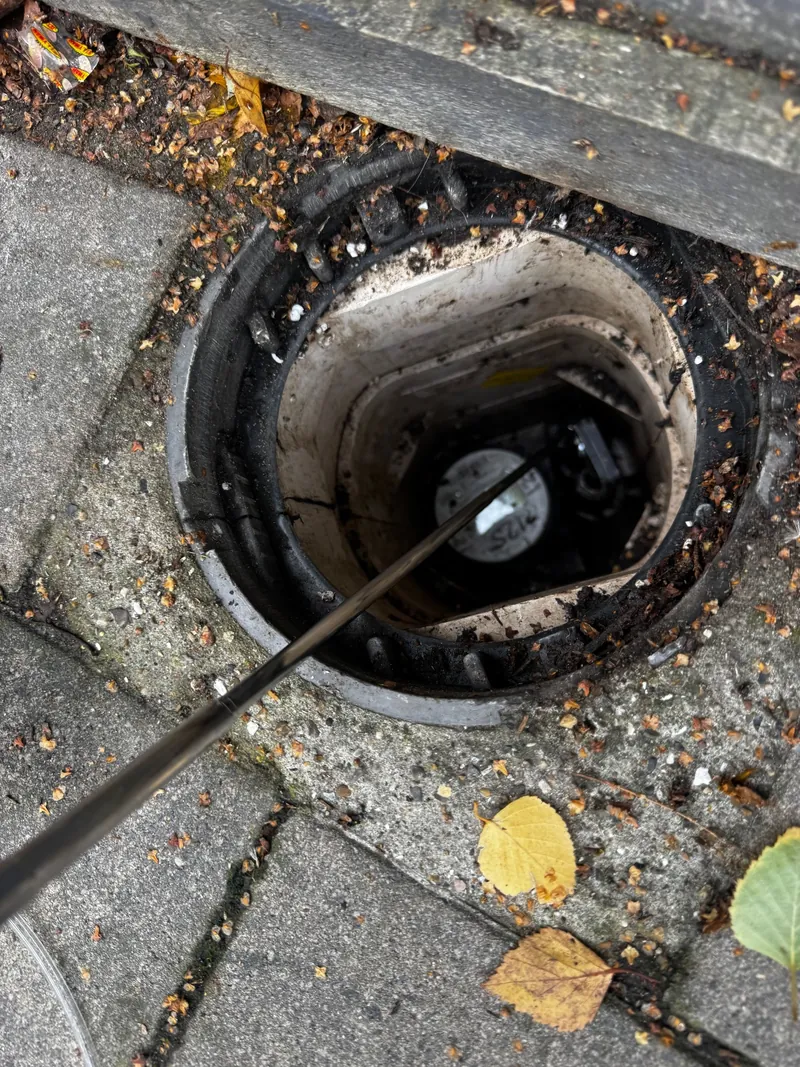
A smart meter is a water meter that sends its readings to the supplier automatically, so nobody has to visit or phone in a number. Thames Water’s meter pages, read on 24 November 2026, say London customers get a smart meter that sends readings automatically and that smart meters send readings each hour. It aims for most customers to have a smart meter by 2030.
It is the same job as an ordinary meter: it counts the volume of water that passes, in cubic metres. What changes is the frequency and the route of the readings. Thames Water has said it takes its own readings from ordinary meters at least every two years, partly to check for leaks and overcharging. With an hourly feed, the question is no longer how much you used since the last reading but when.
Rollout and what to expect when one is fitted
Thames Water’s release of November 2024 said over 1.2 million smart meters or devices were installed and a further million-plus were planned by 2030. That is a dated figure, so treat it as a 2024 snapshot, not today’s count.
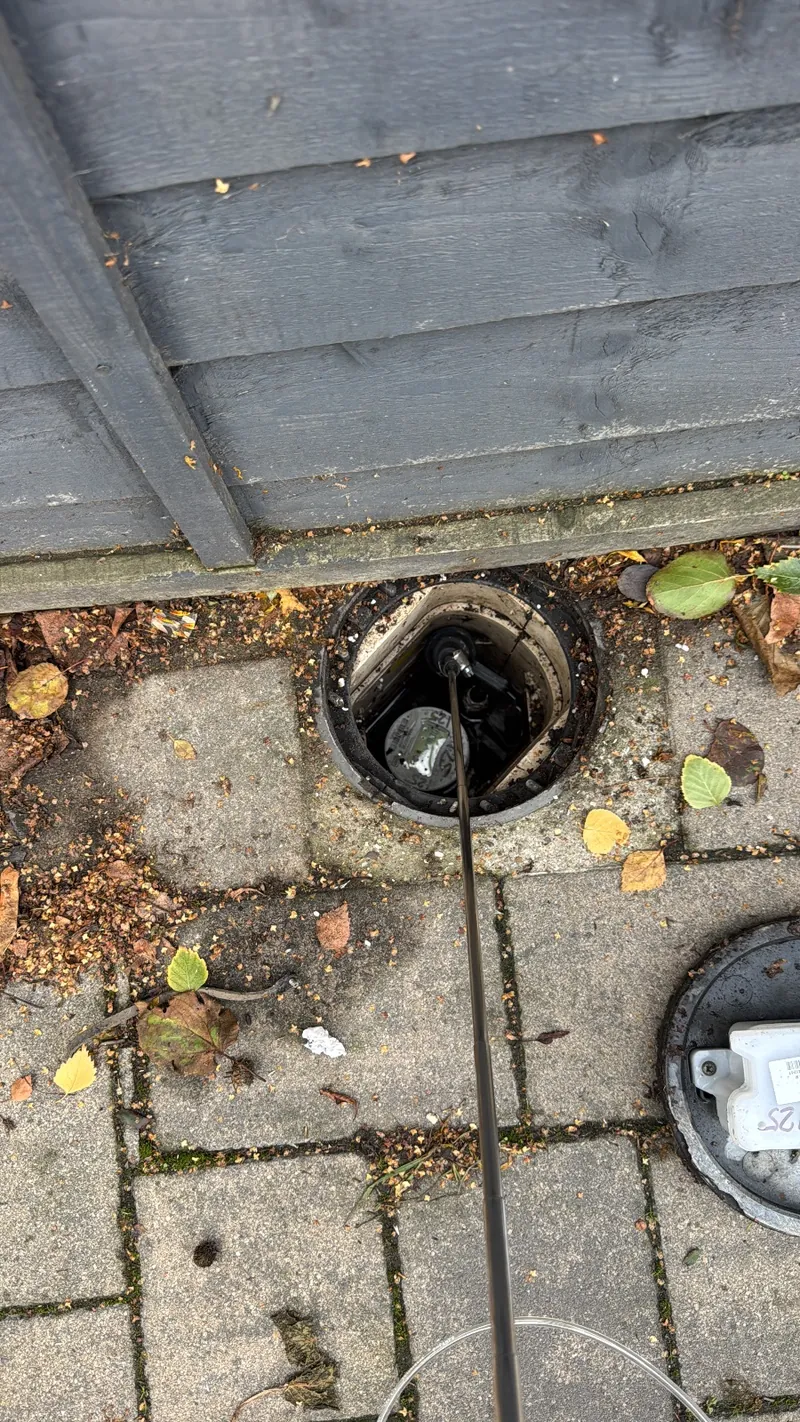
On fitting, Thames Water says it aims to fit meters outside near the boundary, inside only where needed, and writes to customers about a week before street work. Water may be off for a few minutes. When it fits one, it tells you if it finds a leak on your supply pipe and fixes it if no further digging is needed. Otherwise it explains how to get it repaired. The supply pipe from the boundary into the home is generally the owner’s, so that repair is usually yours to arrange.
Under its compulsory programme, Thames Water says that after the meter is fitted and activated, normally within 90 days after a remote leak check, there is a 12-month comparison period with comparison bills. You are moved to metered charges when it ends unless you switch earlier, and early switchers are credited from activation. Do not assume you can go back. Thames Water’s FAQ says you cannot return to unmetered charges once a meter is installed, with its charges scheme setting narrower exceptions. See should I get a water meter in London for the arithmetic and free water meter from Thames Water: how to request one for the steps.
| Question | What the page says |
|---|---|
| How often does it read? | Hourly |
| Who is getting one? | Thames Water aims for most customers by 2030 |
| Is it free? | Thames Water says it fits meters free of charge |
| Comparison period? | 12 months with comparison bills under the compulsory programme |
| Where is it fitted? | Outside near the boundary where possible, inside only where needed |
Do smart meters send you leak alerts?
This is the most common claim about smart meters and the one we cannot back up. Many pages say a smart meter will warn you of a high-usage event. We read Thames Water’s metering pages and found no description of alerts sent to households. What they say is that smart meters send hourly readings and that customers with an online account can track their use. Its leakage code says smart meters let you spot sudden changes.
So the safe statement is: you can look at your use in your online account. Whether Thames Water contacts you about a possible leak is a question to put to it directly, and we have not been able to confirm the answer.
The practical effect is that a smart meter does not remove the need for you to look. A leak will show up in the data, but only if someone reads it. If you are not in the habit of logging into your account, you will find out when the bill arrives, which is the thing a smart meter is meant to improve on.
How Thames Water uses smart meter data, and how you can
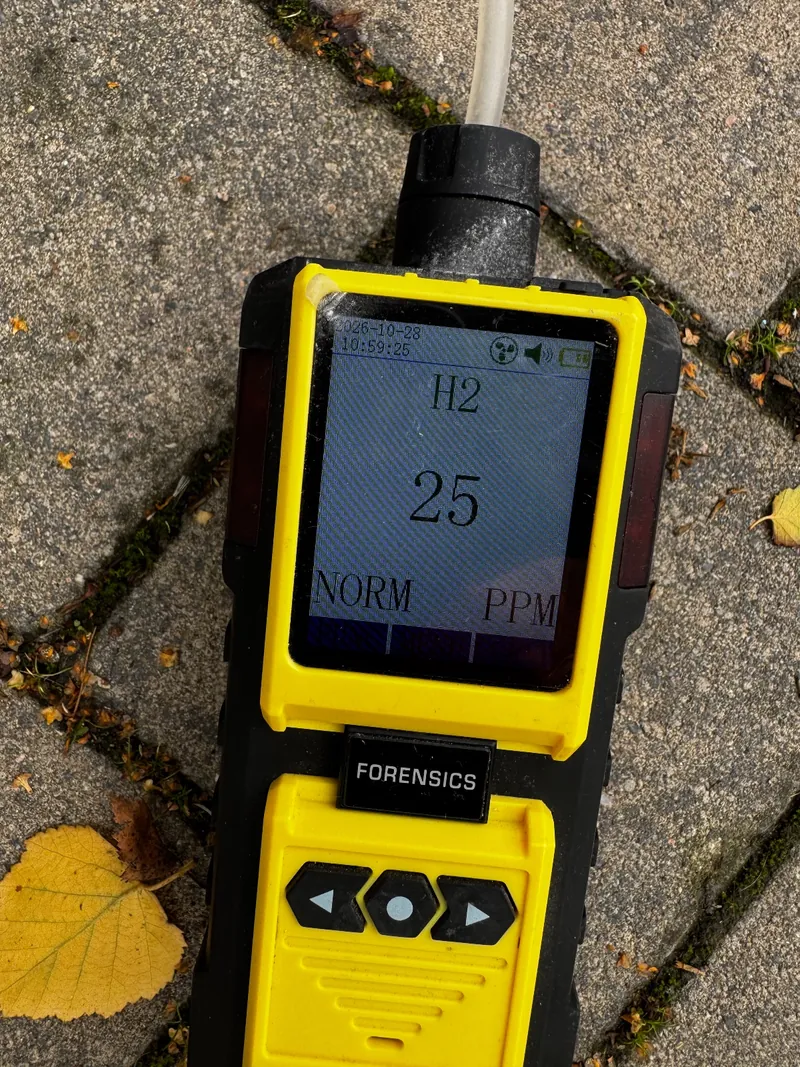
Thames Water says smart metering helped detect around 84,000 customer-side leaks over a decade (release of 28 November 2024), and that about a third of leaks are on customers’ and businesses’ own pipes. Its meter page also says metering helps it spot leaks on its network. The takeaway is that the data is useful for finding leaks, and a large share of them are on the property side.
You can do a version of that yourself with hourly readings. This is our reasoning, not a Thames Water method. A household that is asleep and has nothing running should use close to no water for some hours. If the account shows a steady flow through the small hours, night after night, something is using water. Typical suspects are a toilet valve, a leaking joint or a buried supply pipe. A normal pattern has peaks in the morning and evening and flat, near-zero periods between.
- Look at the hourly or daily view in your account, if Thames Water offers one for your meter.
- Compare a quiet period, such as 2am to 4am, over several nights. A steady non-zero figure is worth testing.
- Run the standard test: everything off, inside stop valve closed, read the meter, wait 30 minutes, read again. Thames Water says a moved reading means a leak between the meter and the inside stop valve.
- Repeat with the valve open to see whether the movement is inside the house or on the supply pipe.
The test, and what each outcome means, is in how to do a water meter leak test. A smart meter makes the reading easier to get, but it does not change the logic. If the meter is outside, where is my water meter covers finding it, and how to read a water meter covers the dial.
Smart meters and tariffs
Thames Water’s 2026-27 charges scheme describes a planned two-year Smart Saver trial using rising block rates for selected smart-metered customers. It is not available to everyone, and we give no rates. If you are in the trial you will be told by Thames Water. Otherwise the ordinary metered tariff applies, which is 273.46 pence per cubic metre for water and 147.21 pence per cubic metre for wastewater from 1 April 2026, plus fixed charges. Average water bill in London shows how those pieces turn into a bill.
A smart meter does not change the rate you pay. It changes how quickly you can see what you use. On a metered bill every litre has a price, so hourly data is useful mostly for catching waste early. Thames Water bills metered customers every six months, from readings or estimates, and a leak that starts just after a bill can run for months before the next one. Our arithmetic at the combined 2026-27 rate of 4.2067 pounds per cubic metre puts a toilet leaking 200 to 400 litres a day (Thames Water’s figure) at roughly 307.09 to 614.18 pounds over a year.
What a smart meter cannot do
It cannot tell you where the leak is. It shows that water is passing, not whether that is a cistern, a pipe under the kitchen floor or a supply pipe under the drive. It also does not cover the whole route. A leak on Thames Water’s own pipes, upstream of your meter, is not something your meter measures.
Locating the leak is a physical job. We use thermal imaging, moisture mapping, acoustic methods and tracer gas where needed, then give you a written report with photos. Our comparison of a survey with a smart leak detector device is in leak detection survey vs smart leak detector. The leak itself may sit on the owner’s side of the line: leak between meter and house explains the common case.
Standard leak detection is £150/hr, with a typical visit at £325 to £400. Mains and supply pipe tracing is a fixed £450, however long the job takes. Tracer gas is included in the price. No VAT charged. Repairs are quoted separately in writing once the leak is found. The live figures are on the pricing page. If your readings show a steady night flow, report a leak or ring 020 3961 5444. For the wider picture, see save money on your water bill.
