
What “free” covers
Thames Water’s request page says that applying for a meter is free. Its 2026-27 charges scheme says it will install the meter free of charge. We read both on 24 November 2026. The cost that follows is the water you use: after the switch, the bill is built from a charge per cubic metre plus fixed charges, which our guide to the average water bill in London walks through with worked arithmetic.
The scheme has one narrow exception. Where a meter cannot be fitted for the practical reasons listed further down, Thames Water may agree to fit one if works can be carried out and you agree to pay towards the cost. That is a negotiated case, not the normal route.
Two routes to a meter in London

There are two ways a London home ends up with a meter, and they come with different rules afterwards.
- You ask. You apply, Thames Water surveys and fits the meter, and you move to metered charges.
- Thames Water comes to you. Its compulsory metering page says it is fitting free meters to all customers in London, Swindon, Guildford, Waverley, Oxford and Reading, because it describes its region as seriously water-stressed.
The charges scheme gives the legal frame for the second route. It says Thames Water has a programme to install smart meters at properties in areas of serious water stress, as determined by the Secretary of State and set out in its approved water resources management plan. If your home falls in such an area, Thames Water writes to you in advance, says when the meter will be fitted and activated, and explains the 12-month comparison period.
Whether a household in that area can refuse the meter is a question we cannot answer from what we read. Neither the Thames Water pages nor the charges scheme describe a way to opt out, and we have not found a primary source that does, so we do not say either way. If you want to know where you stand, ask Thames Water about your address. Our note on whether you can refuse a water meter is the place to look for anything we add later.
Who can ask for one
Thames Water’s request page says you can apply if you pay the bill, or if you rent and have a tenancy of six months or more. The charges scheme says a tenant in that position can apply without the landlord’s permission, and CCW says the same on its meter page.
For a shared pipe or a block, read the page’s own warning that a shared supply may prevent installation. A flat on a shared supply may get a different answer from a house on its own pipe, and Thames Water makes that call at survey.
Before you apply, check whether your bill already shows a meter. It may be on the bill as a meter serial number or readings, and where is my water meter shows the usual places to look. Someone who moves into a property that already has a meter is on metered charges from the day they move in, whether or not the previous occupier finished the comparison period.
The steps, in order
- Check your bill for a meter, then sign in to your Thames Water online account, or register for one.
- Submit the meter request. Thames Water says it will contact you within 14 days of the application to arrange a survey.
- Book your survey online, using the reference number from your letter or email.
- Be there for the survey. Thames Water checks whether a meter can go in and where.
- Have your inside stop valve reachable on the day of the fit. Thames Water says water may be off briefly, and asks you to make the valve accessible beforehand.
- After fitting, you are switched to metered billing automatically. Thames Water says you will get a final unmetered bill and your first metered bill within six months.

Phone is also offered as a route. We print no Thames Water number because the numbers on its pages differ by service, so use the contact details on the request page.
| Day | Date if you apply on 2 March | What Thames Water says |
|---|---|---|
| 0 | 2 March | You submit the request in your online account |
| Within 14 | By 16 March | Thames Water contacts you to arrange the survey |
| Aim: 50 | About 21 April | Target for fitting the meter outside the property |
| Within six months | By early September | Final unmetered bill and first metered bill, on Thames Water’s page |
The scheme sets a firm rule on delay. If Thames Water misses 50 calendar days through its own fault, it charges only the metered fixed charges from day 51 until the meter goes in, after which the volume charge applies too. If you cause the delay, for example by missing booked appointments or asking for a later fit, you stay on your existing tariff until it is fitted or Thames Water finds it cannot fit one.
What happens at the survey and the fitting
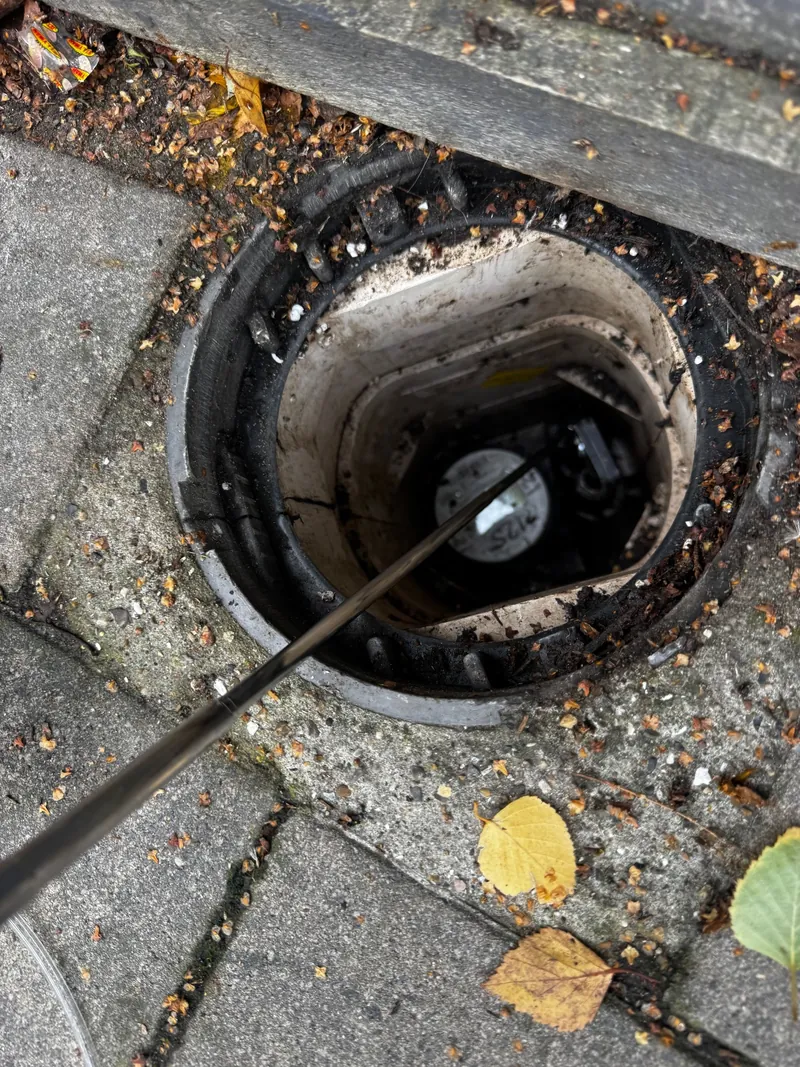
Thames Water says it aims to fit the meter outside, near the boundary of the property or where the supply pipe enters it, and falls back to an inside fit if it has to. It writes to customers about a week before work in the street, and the water may be off for a few minutes. Where an indoor fit is needed, you may book an appointment using the reference number on your letter.
It also says what it does if it finds a leak while it is there. If the leak is on your supply pipe and no further digging is needed, Thames Water says it will fix it. If more digging is needed, it explains how to get it repaired. That matters, because the pipe from the boundary to your home belongs to you, and who owns the water supply pipe sets out where the line falls.
On the compulsory programme, Thames Water says it checks remotely for leaks before activating the meter, normally within 90 days but sometimes longer. A 12-month comparison period starts at activation. During it you get comparison bills that show what you pay unmetered against what you would pay metered, and it moves you to metered charges from your first reading after that period unless you asked to switch sooner.
If Thames Water cannot fit one
Thames Water is not obliged to fit a meter where that is not reasonably practicable or would involve unreasonable expense. The scheme gives examples: more than one meter would be needed, fitting would create problems in reaching, reading, inspecting and maintaining it, or substantial changes to the pipework would be needed. The request page lists limited space, unsuitable pipes and a shared supply.
What happens next depends on how you got here. The scheme says that if you asked for the meter and it cannot be fitted, Thames Water will not require the assessed household charge where that would cost you more than your existing rateable value tariff. If it could not fit one under the compulsory programme, the assessed charge applies even where it is higher. The assessed household charge is based on the number of bedrooms or on single occupancy, and unmetered water bill: how it is calculated explains the three unmetered methods side by side.
If you disagree with Thames Water about whether fitting is reasonably practicable, the scheme says you, or Thames Water, can contact Ofwat. You cannot choose the single occupier charge instead of a meter. Thames Water’s FAQ says that charge is part of the assessed tariff and applies only where a meter could not be fitted.
Switching back is not something to count on
Many pages say you can switch back to unmetered charges within a year or two. For Thames Water in London the picture is narrower. Its FAQ says you cannot return to unmetered charges once a meter is installed. The charges scheme allows a request to revert, within 12 months or a month after your second metered bill, whichever is later, but only for a meter you asked for. It bars reverting where the meter was fitted compulsorily or your property is in a compulsory metering area.
Treat the meter as a one-way decision unless Thames Water tells you otherwise for your address. Should I get a water meter in London takes you through the sums before you apply.
After the meter goes in: keep an eye on leaks
A meter shows waste on the bill. Thames Water’s test is simple: switch off everything that uses water, close the inside stop valve, read the meter, wait 30 minutes and read it again. If the reading has moved, the leak is between the meter and the inside stop valve. Step-by-step help is in how to do a water meter leak test, and what a smart meter does and does not tell you is in Thames Water smart meter explained.
If the reading moves and you cannot see why, we can trace the pipe. Standard leak detection is £150/hr, with a typical visit at £325 to £400, and supply pipe tracing is a fixed £450, however long the job takes. No VAT charged. The price is agreed before we start. See the pricing page, then report a leak and we will reply. More bill-saving guides are in the guides hub.
