
What the sources say about lifespan
You will find confident figures: copper lasts 50 to 70 years, plastic 50 years, lead a century. We looked for a primary source behind any of them. We read Thames Water, the Drinking Water Inspectorate (DWI), the Consumer Council for Water and the regulations, and none of them states a service life in years for a household pipe. The figures online come from contractor blogs and supplier pages, and where a manufacturer gives a design life, it is a claim about its product under test conditions, not a promise about your garden.
The sources still tell us what to look for and who is responsible. They also tell us the one date that matters in London housing: Thames Water and the DWI both say homes built before 1970 may have lead pipes. We read those pages on 24 November 2026, and we flag below where a statement is our own working experience, so that you can weigh it accordingly.
What the pipe is made of decides what you can say about it
| Material | How to recognise it (sources) | A lifespan we can source | What affects it (our experience, not a published rule) |
|---|---|---|---|
| Lead | Dull grey, soft, swollen joints, shiny silver when scraped, a dull thud when tapped (Thames Water, DWI) | None. Homes built before 1970 may have it | It rarely fails by splitting. The reason to replace it is the material, not a birthday. See how to tell if you have a lead water pipe |
| Copper | Bright, hard and brown once aged (DWI) | None found in a primary source | Water chemistry, joints and flux residue, flow speed and the ground it sits in. Pinholes are the usual failure. See pinhole leaks in copper pipes |
| Iron or steel | Dark, very hard, often rusty (DWI) | None found | Rust from inside, and joints that seize or crack |
| Plastic, often blue | Often blue (DWI); smooth and light | None in a primary source. Manufacturers state their own design lives | Installation quality, depth, stones against the pipe and the fittings, which fail before the pipe does. See MDPE blue water pipe explained |
For a general guide to what each material is and where it is used, see water supply pipe materials in the UK. If you do not know which you have, look where the supply enters the house, near the inside stop valve, as described in our lead pipe page.
What actually shortens a pipe’s life
These are patterns we see on jobs, and they are our working experience, not published statistics. We could not source a share for any of them, so there are none here.
- The water. Soft or aggressive water, high chlorine or a change of source can attack some metals from the inside. A house with the same pipe next door may fail earlier or later because of it.
- Joints and fittings. Many leaks are at a joint, a compression fitting or a valve, not along the length of a pipe. A pipe that is fine can be blamed for a failed fitting.
- The ground. Clay that moves with the seasons, tree roots, rubble pressing on a plastic pipe and a pipe laid shallow are all common in London. See tree roots damaging a water supply pipe.
- Frost. A pipe that freezes can split, sometimes without leaking until it thaws. See frozen pipes: what to do before they burst.
- Poor installation. The shallow trench, the sharp bend, a joint that was never tested. The Water Supply (Water Fittings) Regulations 1999 say repairs should be workmanlike, to a relevant British Standard or an approved method.
- Age and repeated repairs. A pipe repaired twice in a short time is telling you something about the rest of it.
Depth is one thing we can source. The Regulations require notice to the water company for laying underground pipe shallower than 750mm or deeper than 1350mm, in the as-made text we read. That is a notification rule, not a measure of life, and the regulations get amended, so we confirm the position for each job. Our page on how deep is a water supply pipe in the UK goes into it.
Signs that a pipe is nearing the end

A pipe that is ageing usually tells you before it fails. None of these proves a pipe is finished, but several together should start a conversation.
| Sign | What it can mean | What to do |
|---|---|---|
| More than one leak in a short time | The material or the water is attacking the pipe along its length | Have the run surveyed before a third repair. See water supply pipe: repair or replace |
| Pinhole leaks, green or white staining on copper | Corrosion from the inside or outside | Photograph it and ask a plumber to look. Pinholes are often the first of several |
| Brown or discoloured water, mostly after the supply has been off | Rust or sediment in older iron or steel | Run the tap, and if it persists, ask Thames Water and a plumber. Do not assume the cause |
| Falling flow or pressure at all taps | Scale, corrosion or a partial blockage, or a problem on the main | Check with neighbours first. If it is only you, ask a plumber |
| A damp patch or green lawn line that will not dry | A slow leak underground | Do the meter test, then see signs of a leak underground |
| The meter moves with everything off | A leak of unknown size | Book a trace. Our page on signs of a mains water leak lists the other clues |
A brown or milky discharge can have other causes, including work on the main, so we do not read it as a pipe failing without a closer look.
Who decides, and who pays, when an old pipe fails
Thames Water’s page on pipe responsibility, read on 24 November 2026, says the supply pipe from your property boundary into the home, and the plumbing inside, is generally the owner’s responsibility. The water company looks after the mains and the communication pipe. The meter position does not decide ownership. See who owns the water supply pipe.
Old age is not a reason to expect someone else to pay. Thames Water’s leak allowance code says it does not usually pay where it had told you earlier that the pipe needed replacing and that was not done, or where you knew or should have known about the leak and did not repair it. Its help with supply pipes is discretionary, for priority customers or where there is a risk to life or its network. See does Thames Water fix my supply pipe for free.
Home insurance policies commonly exclude damage that builds up gradually, or wear and tear. In a Financial Ombudsman decision we read, tracing and access work was still payable because it would have been needed anyway, but extra damage beyond that work was not. Wording decides, so read yours. Gradual leak or sudden escape of water covers the difference. Thames Water also says to check home emergency or buildings insurance before arranging a repair.
Tenants should tell the landlord. Under section 11 of the Landlord and Tenant Act 1985, a landlord must keep the installations for water supply in working order in the tenancies the Act covers.
Repair, replace or leave it?
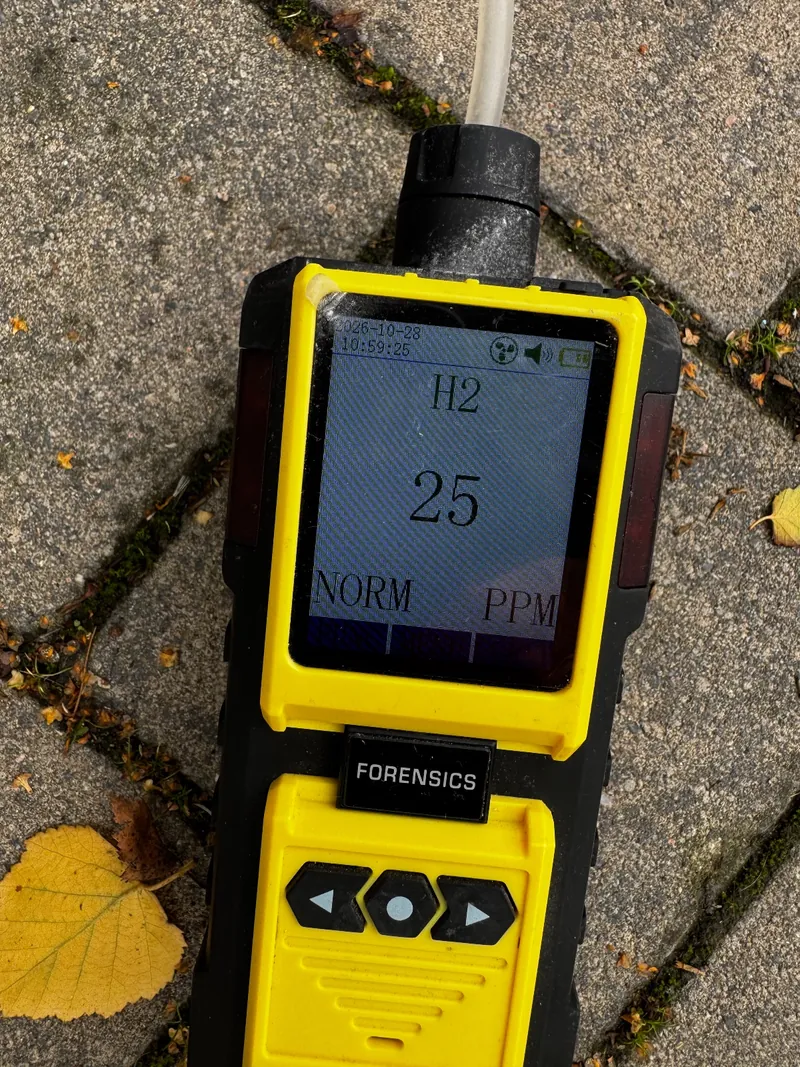
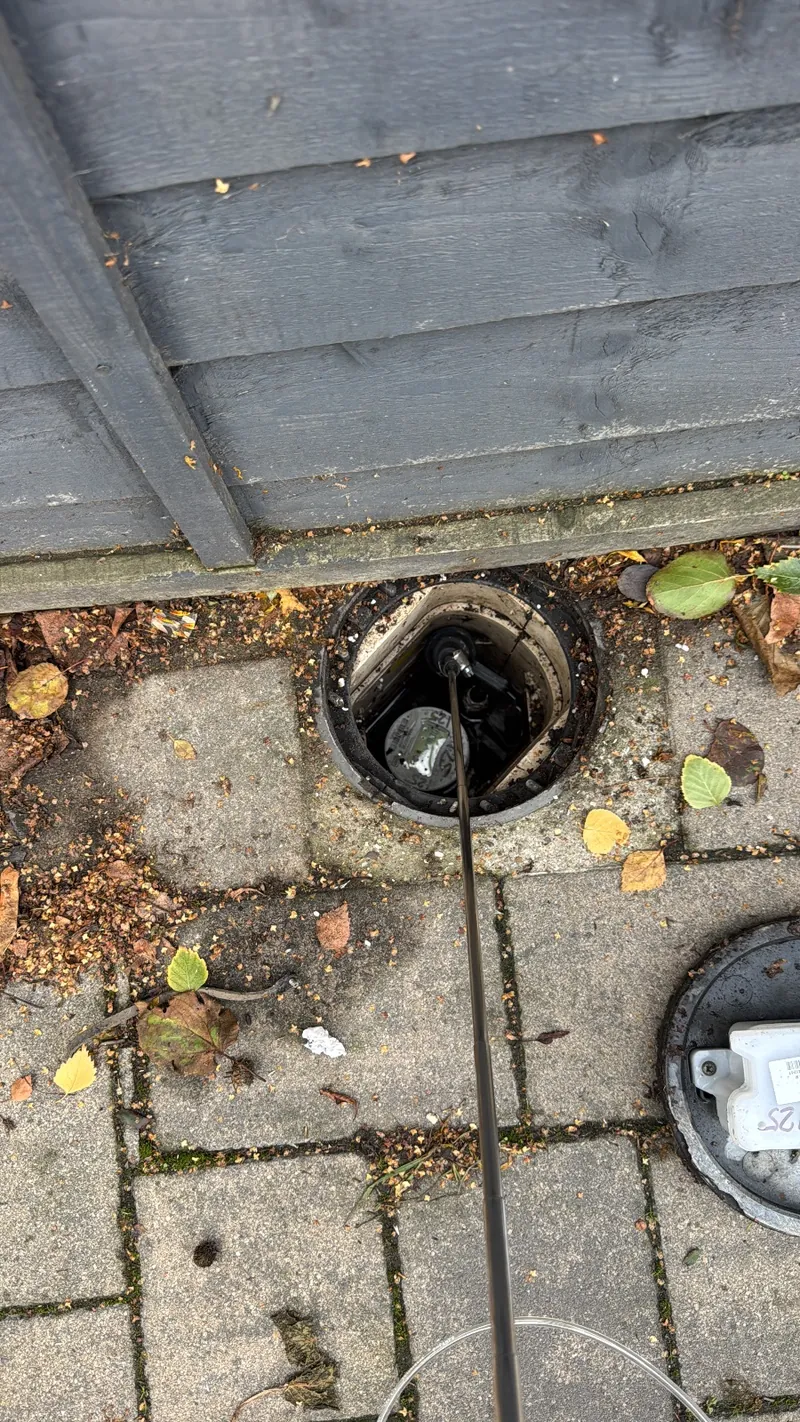
A pipe that has never leaked does not need replacing because of its age. A pipe that has failed twice often does, because each repair opens the ground again. What you want is evidence before you decide, and that means a survey that finds the leak, shows where it is and records the route and the material. We do that with acoustic listening, tracer gas, thermal imaging and a locator, without digging first. Water supply pipe replacement explains how a replacement is quoted.
- If the pipe is lead, the case is about the material. See the cost page for how that is priced and who pays, lead pipe replacement cost in London.
- If you are about to build over the pipe, replace it first. In our experience it is cheaper to fit a new pipe before a patio or drive goes down.
- If there is one fault in an otherwise sound pipe, repair it, and keep the report.
- If you are buying, a pre-purchase leak survey tells you more than a pipe’s age.
Our mains and supply pipe trace is a fixed £450, however long the job takes. Tracer gas is included in the price. No VAT charged. Repairs and replacements are quoted in writing after the pipe is surveyed, never from a price list, and the pricing page explains why. To book, report a leak or ring 020 3961 5444. More guides are in the guides hub.
