
The two-minute search
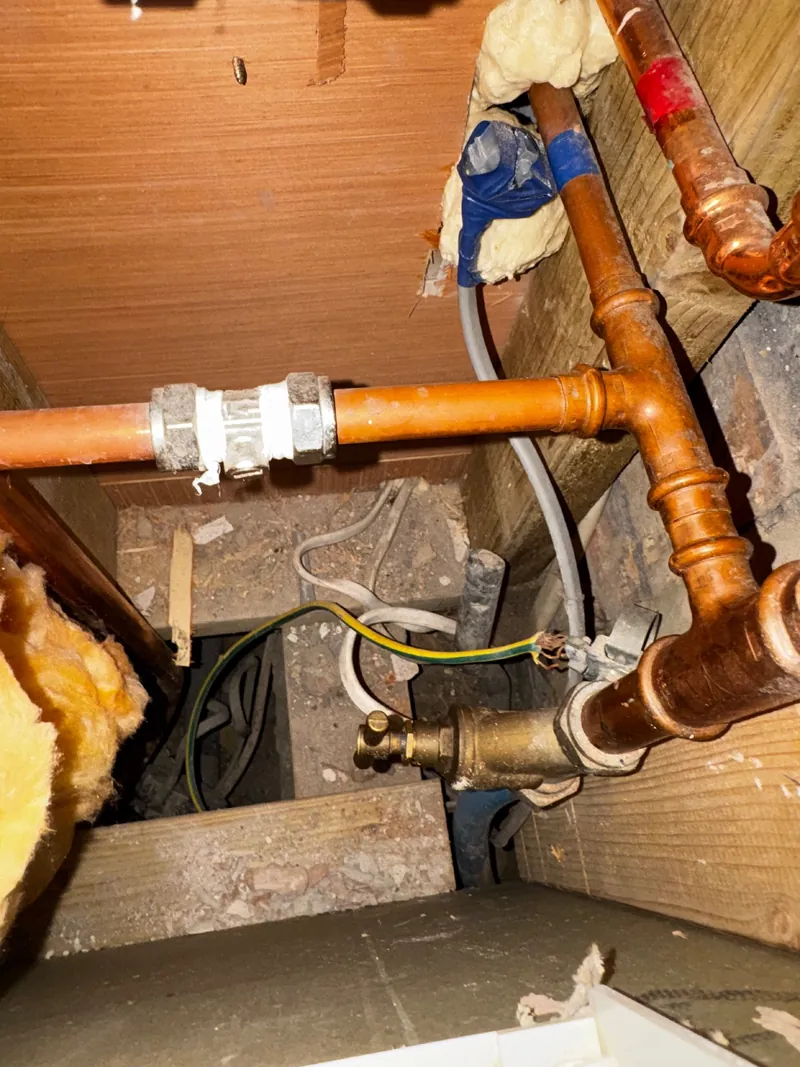
Most people look for the stopcock when water is already coming through the ceiling, so here is the quick version before the explanations. Go in this order and stop when you find a valve on a pipe that comes up from the floor or through a wall.
- The cupboard under the kitchen sink. Thames Water says the inside stop valve is usually under the kitchen sink. Empty the cupboard if you need to and use a torch.
- The room where the water meter is, if it is indoors. Thames Water says an indoor meter is usually under the kitchen sink near the inside stop valve, and sometimes in a basement or garage.
- Where the supply enters the house. Look at the front wall or the wall nearest the street for a pipe coming through the wall or up through the floor. The stopcock is normally on that pipe soon after it comes in.
- Utility room, laundry cupboard, downstairs toilet and under the stairs.
- An integral garage, a cellar or a basement, or a boiler cupboard.
- Flats: the bathroom, the hall cupboard or the cupboard where the meter or pipes come in.
If you find a valve, what it looks like and how to tell it from the others is in what does a stopcock look like, and the safe way to close it is in how to turn off your mains water. This page is about where to look and what to do when it is not there.
Why it is usually under the sink
The kitchen cold tap is normally the one fed directly from the incoming supply, which is why the supply tends to enter near the kitchen and the stop valve ends up beneath it. Thames Water’s page on identifying leaks refers to the inside stop valve as usually under your sink, and its pages on the water meter say the same about an indoor meter. That is a pattern, not a rule. Houses are altered, kitchens move, and an extension can put the first valve in a cupboard on the far side of the house.
If the sink cupboard is empty of valves, the cold supply will still be somewhere close. The kitchen cold tap is fed from a pipe you can see through the back of the cupboard or under the floor. Follow it away from the tap, and you will usually find a valve, a small drain-off tap or the meter before the pipe disappears.
Where to look, by type of home
This table is a guide to where we usually find them, based on what plumbers meet in London homes. It is practitioner experience and not a published survey, so treat it as a search order, not a fact about your building.
| Property | Look first | Then try | Watch out for |
|---|---|---|---|
| Victorian or Edwardian terrace | Under the kitchen sink or in the rear kitchen or scullery | Under the stairs, the cellar or basement, a front hall cupboard | Old brass valves that have not moved in decades; a supply pipe shared with the neighbour |
| Interwar and post-war semi | Under the kitchen sink | Understairs cupboard, the garage wall, the airing cupboard on the supply line | Valve boxed in by a fitted kitchen with no access panel |
| Extended or converted house | The original kitchen location, even if the kitchen moved | Utility room, new kitchen cupboard, a boxed-in section behind a plinth | Several valves from different eras; the new one may only isolate part of the house |
| Ground floor or maisonette flat | Under the kitchen sink | Bathroom, hall cupboard, meter cupboard or the riser cupboard | May serve more than one flat; check with the managing agent |
| Upper floor flat | Under the kitchen sink or in a bathroom or hall cupboard | The communal riser or meter cupboard on the landing | No individual stopcock at all; isolation may be at the block |
| New build | Kitchen cupboard or utility room, often with a labelled manifold or meter | Hall cupboard, service riser, the original build drawings | Isolation valves that look like many small valves; see new build water leak: who fixes it |
In Victorian and Edwardian terraces the supply sometimes enters at the front of the house and runs under the floor to the back, so the first valve may be at the front of a cellar, not the kitchen. There is more about what older plumbing does in water leaks in Victorian and Edwardian London houses.
How to follow the pipe when the obvious places fail
You are looking for the point where cold water comes into the building. Three things help you find it, and they work in any house.
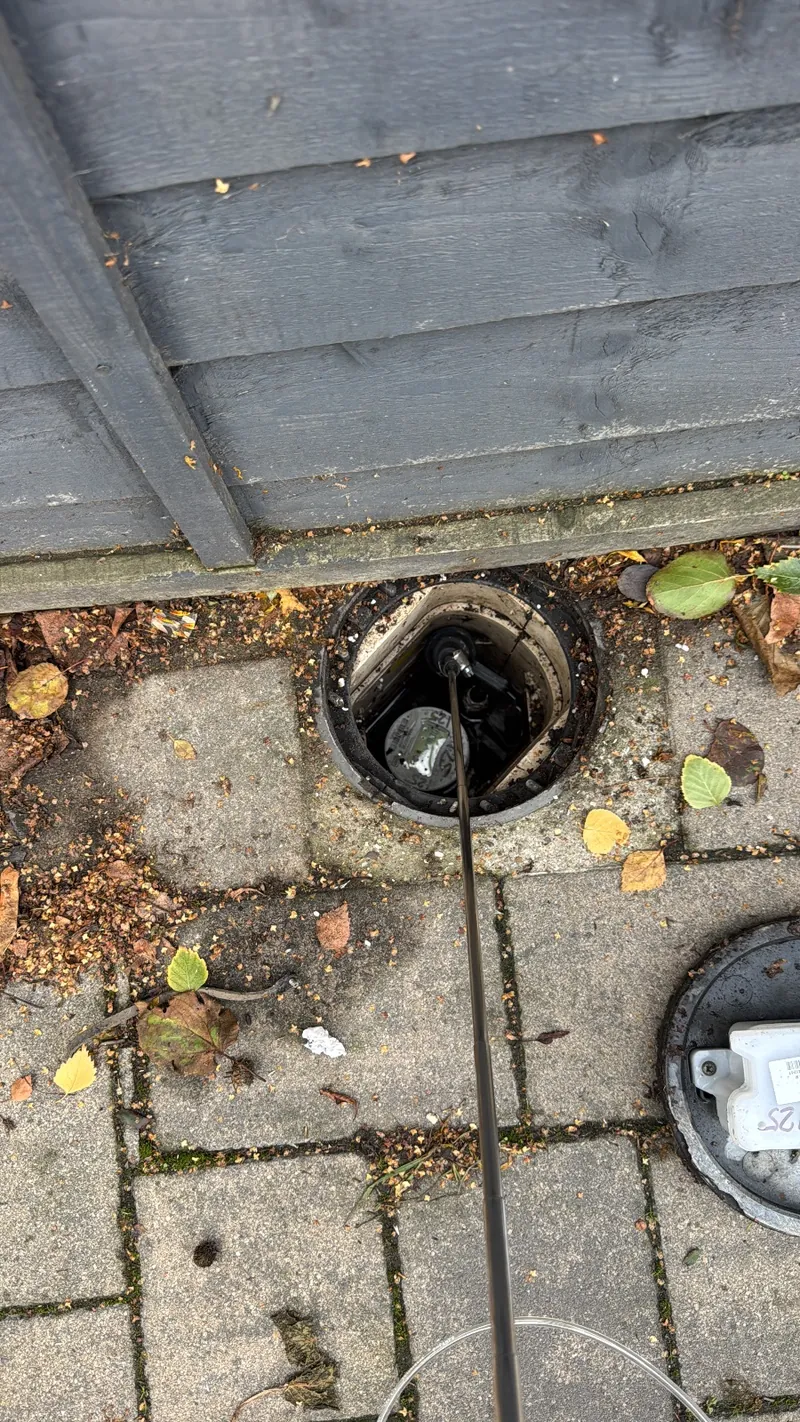
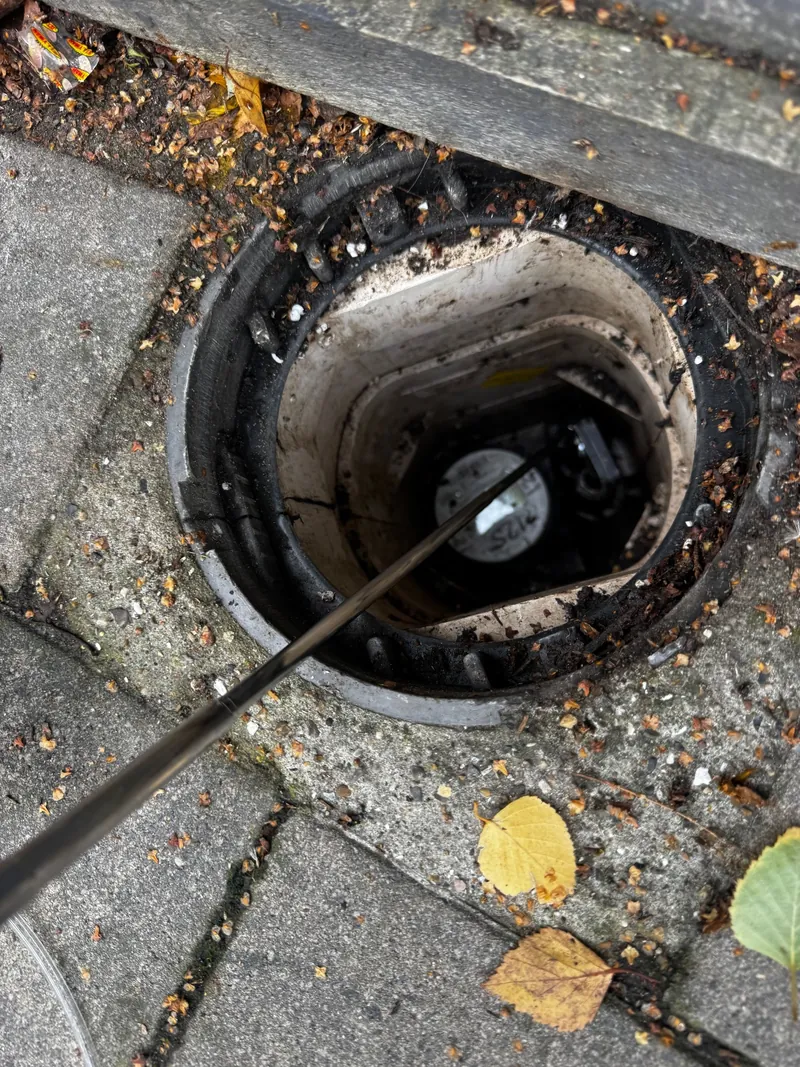
- Find the meter. If the meter is inside, the stop valve is normally near it. If it is outside, in a box under a cover near the boundary, a line drawn from the meter to the nearest wall of the house is a good guess for where the pipe comes in. Where is my water meter explains how to find it.
- Look for where pipes pass through an outside wall, particularly the front or street side. A short piece of larger pipe, often blue or grey plastic or old copper, that goes through the wall or up through the floor, is a strong candidate.
- Listen and feel. Open the kitchen cold tap and put a hand on the pipes you can reach. The one that is cold and carrying a gentle rush is the supply. Then follow it upstream, towards the point it comes in. Take care with hot pipes and with anything near electrics.
If you have a recent buyer’s survey or an old plumber’s invoice, they sometimes show or mention the stopcock. A managing agent or previous owner may know where it is.
Test it before you need it
A stopcock you have found but never turned may be seized, and a seized one will not help you in an emergency. Testing it while the house is calm is the most useful thing you can do. The method below follows Thames Water’s advice to turn clockwise and not force it.
- Tell everyone in the house, and tell a neighbour first if you share a supply.
- Open the cold tap at the kitchen sink and leave it running.
- Close the stop valve slowly, clockwise. A wheel valve takes several turns. A lever valve takes a quarter turn.
- The tap should slow and stop within a few moments. Thames Water notes water may keep coming from the taps for a few minutes after closing a valve, so wait before deciding.
- Stop turning when it will not go any further. Do not force it.
- Open it again slowly, anticlockwise, and check there is no drip at the spindle.
If the tap does not stop, you may have found an appliance isolator or a different valve and not the main stopcock. If the valve feels stuck, or leaks around the spindle when you move it, leave it alone and read stopcock and isolation valve maintenance. A seized valve is a job for a plumber, and forcing it is how a stiff valve becomes a leaking one.
Once you know which valve it is, tag it. A luggage label on a string that says “main water stop, turn clockwise” helps a plumber, a neighbour or a tenant. Put a copy of the location on your phone and with the keys.
If there is no stopcock, or you cannot get to it
Some homes have none, especially some flats where isolation sits at the block, and some have one that is buried behind a built-in kitchen. These are your options, in the order we would try them.
- Isolate part of the system. Appliance isolation valves, the valves on a cistern or the isolator before the tank can stop one problem while you look for the main one. They will not stop a leak on the mains pipe.
- The outside stop valve. Thames Water describes this as the emergency back-up, normally located under a cover on the path or the road, sometimes near the meter, and says you may need a stopcock key. Turn clockwise to close, do not force it, and remember that on a shared supply it affects your neighbour too, so tell them first. See the stop tap in the street: who can turn it off and boundary box and stop tap: who owns it. Thames Water’s page does not say who is allowed to use it, and its code calls it Thames Water’s apparatus, so use it only in a real emergency.
- Tell the water company. Thames Water’s report a problem page is the place to start for a leak at the road or pavement, and for help isolating an emergency you cannot stop yourself.
- A plumber. If neither valve works, Thames Water recommends contacting a plumber. If you do not have an inside stop valve, a plumber can fit one, and it is worth doing, because otherwise there is no first valve to close in a leak. We quote that work in writing once we see the job.
If you are a tenant, the landlord should be told straight away, in writing, about a missing or seized stopcock. Under section 11 of the Landlord and Tenant Act 1985, in covered tenancies, a landlord must keep the installations for water supply in working order.
If you are looking for it because of a leak
Close the inside stop valve and see whether the leak stops. If it does, the leak is on the mains-fed side or the supply. If a leak continues with the stop valve closed, it is in something that holds water, such as a tank, a cylinder or the heating system. Then run the 30 minute meter test described by Thames Water: close the valve, read the meter, wait 30 minutes, read again. If the reading has moved, the leak is between the meter and the inside stop valve. Our guides signs of a mains water leak and how to do a water meter leak test go through it.
If the meter shows a leak but you cannot see where, the pipe under the floor or ground is the likely place. Mains and supply pipe tracing is a fixed £450, however long the job takes. Tracer gas is included in the price. No VAT charged. See pricing and how we price. Repairs are quoted in writing once the leak is found.
To arrange a visit, report a leak or ring 020 3961 5444. The rest of the series is in the guides hub.
