
What the box is, and who owns what in it
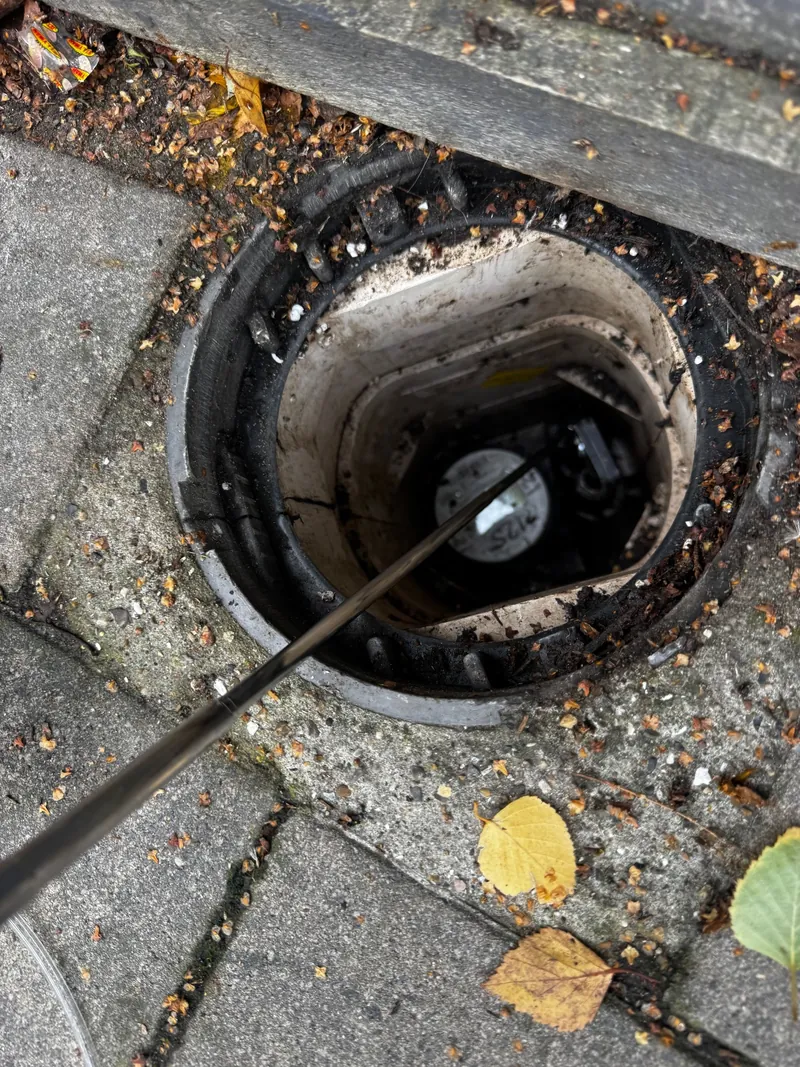
The “meter box” is the small chamber with a lid, usually in the pavement, drive or front garden near your boundary, that holds the meter and often the outside stop tap. Where is my water meter shows how to find it. Inside, the water comes in from the street side, passes through the meter and carries on to your supply pipe.
Thames Water’s leakage code of practice, read on 24 November 2026, treats the outside stop tap and the meter as the water company’s equipment, usually near the boundary. The Consumer Council for Water (CCW), the watchdog for water customers, says the water company owns the meter and is responsible for maintaining it. Thames Water says to contact it if a meter looks broken or damaged.
What the pages we read do not say is who owns the chamber and its lid. We could not find a Thames Water page on a meter box full of water, and its meter pages do not cover it, so we do not state an owner. Ask Thames Water. Where the meter sits does not decide who owns the pipe either. The supply pipe from your boundary into the home is generally the owner’s, and the water company looks after the mains and the communication pipe. See who owns the water supply pipe.
What is normal, and what is not
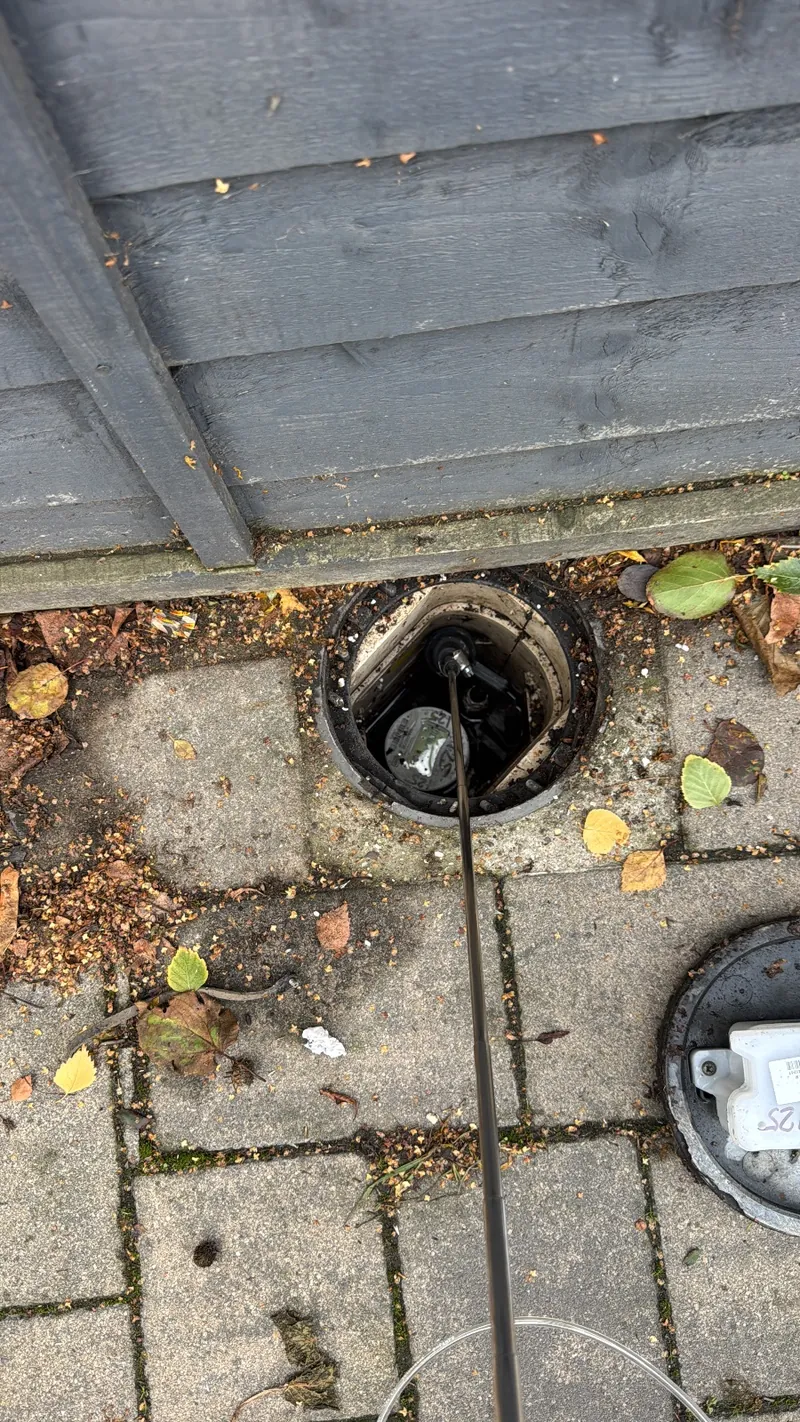
No water company publication we could open says how much water in a chamber is normal. The following comes from what we see on site, and is our practitioner view, not a published rule. A chamber is open to the ground at the bottom in many older installations, and its lid is not watertight, so after rain it can fill with surface water or ground water, then drain slowly. A damp or muddy chamber is common. Stagnant water with leaves and silt is usually not coming from a pipe.
| What you see | Usually points to | How sure can you be? |
|---|---|---|
| Dirty or muddy water, level up after rain, falling over days | Rain or ground water getting in | Fairly, if the meter test below is clear |
| Clear water that rises quickly after you empty it | A leak on a pipe in the chamber, or one nearby | Not certain. Needs the meter test |
| Water running or spraying from a joint on the meter or its pipes | A leaking fitting | Clear. Report it |
| Meter dial or flow indicator turning with everything off | Water moving through the meter | Strong sign of a leak, on your side or inside |
| Level never changes, no movement, no staining | Standing water | Likely harmless. Monitor it |
| A cracked or sunk lid, or a lid that rocks | A safety fault | Report it. Do not open it |
A full chamber on its own can make a meter hard to read, and water that stays in over winter is a freezing risk to a meter. Ice damage to meters and pipes is a recognised hazard, and our page on outside taps and frozen pipes and how to prevent frozen pipes cover the usual protection. We have no figure on how many meters it breaks.
The test that tells you whether the water is escaping
You do not need to open the box to find out whether your pipe is leaking. Thames Water’s test, read on 24 November 2026: switch off everything that uses water, close the inside stop valve, read the meter, wait 30 minutes and read again. If the reading has moved, the leak is between the meter and the inside stop valve. If the two readings match, it says you do not have a leak. We would say it more carefully, as in our meter test guide: matching readings mean no leak on that stretch of pipe, and they do not cover the water company’s side of the meter.
- Take a photo of the box and the water with the lid in view, so you have a record of the starting level.
- Run the 30-minute meter test above. If the meter face is under water and you cannot read it, go to the next step.
- Sponge out a little water so you can see the face, then carry on. Do not put your hand into a chamber without looking first, because chambers collect mud and insects.
- Look at where the water appears to be coming from. Water entering at the bottom, from the side wall or from the pipe are different faults, and the person you report it to needs to know which.
- Check again after an hour and after 24 hours. Take photos each time.
CCW describes a similar test. Turn off all water-using appliances, and if the meter dial still moves you may have a leak. Close the inside stop valve and check again: movement then points to the outside supply pipe, and if it stops, reopen the valve and recheck, and movement then points to a leak inside. CCW warns not to lift a heavy metal meter cover and to use a screwdriver on the inspection cover.
What the result means
| Meter test result | Water in the box | What to do |
|---|---|---|
| Readings match | Muddy, level changes with the weather | Not a leak on your pipe. Keep an eye on it, and tell Thames Water if the lid or chamber looks damaged |
| Readings match | Clear and rising, or visibly flowing | The leak may be on the street side, before the meter. Report it to Thames Water, with photos |
| Readings differ | Any | A leak on your supply pipe or inside. Arrange a trace and repair. See leak between the meter and the house |
| Readings differ, water only appears at the meter | Clear | A leak at or near the meter. The repair question is covered in water meter leaking: who is responsible |
| You cannot test | Any | Report it and say so, and ask what Thames Water suggests |
The second row matters because it is on the water company’s side. Thames Water’s code says it looks after the mains and the communication pipe that links your supply pipe to the main. A leak there is for it to repair. It also says a leak you know about on your own pipe should be fixed within four weeks, per its page on arranging repairs. Neither of those is a promise about your case, so ask.
When and how to report it
Report it if the meter looks broken or damaged, if water is visibly leaking from the meter or its pipes, if the lid is damaged or unsafe, or if the test suggests the water is escaping and you cannot tell where. Thames Water’s report a problem page is where its leak, blockage and pollution options start, and its water meter contact page lists the meter topics. We have not printed a phone number, because the numbers on its pages do not match.
- Say what you see: dripping from the meter body, from a nut at the inlet, from a pipe a few centimetres away, or just standing water.
- Give the address, the meter serial number from your bill and the position of the box.
- Attach photos with the lid open and with it closed, and a ten second video of the dial.
- Say whether the meter test moved, with the two readings and the times.
- Write down the date and who you spoke to. If it turns out to be a leak on your pipe, the date you found it starts the four-week clock on Thames Water’s page.
If the water is a risk to people, such as a flooded path, a damaged lid on a pavement or water running into a road, say so when you report it. For bigger bursts, see burst water main at your property.
If it is a leak on your pipe
If the test says your supply pipe is leaking, the repair is generally the owner’s, or the landlord’s in a tenancy. Thames Water’s page on arranging repairs says to fix a confirmed leak within four weeks, and its leak allowance page says metered customers may claim after repair, within three months of the repair date. Read both pages before you act, because the figures can change. Keep the plumber’s invoice, the readings and the photos. Leak allowance evidence checklist lists what to keep.
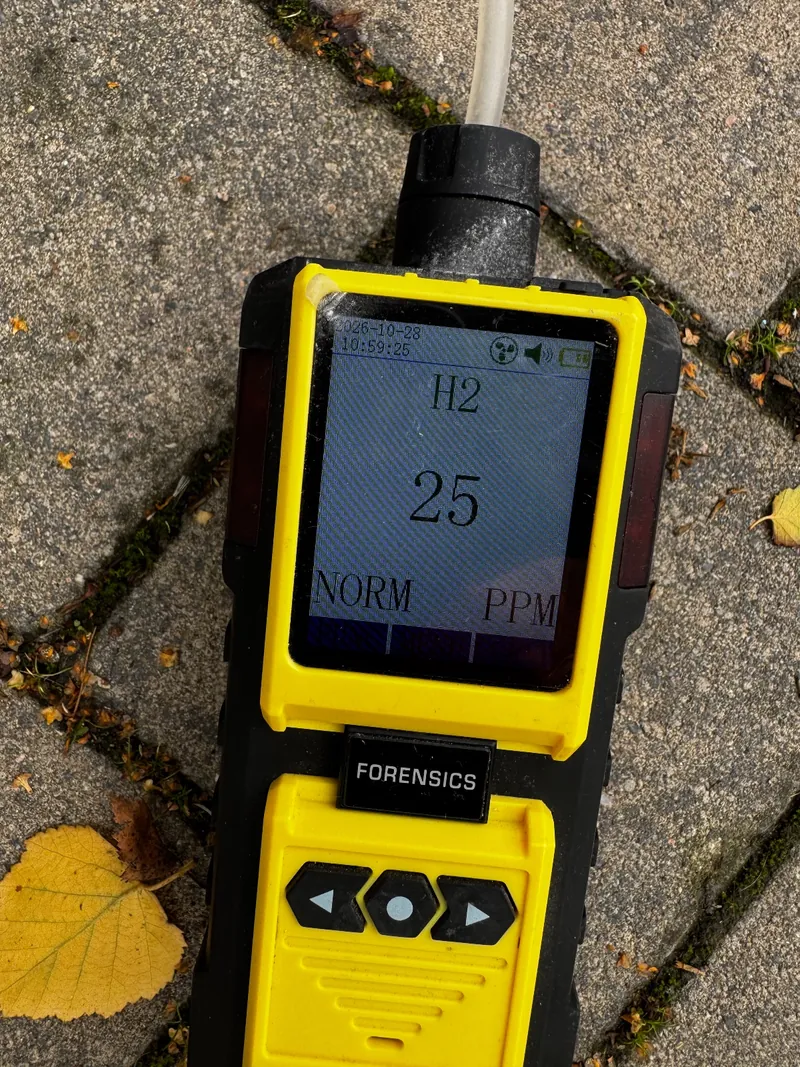
We find where a supply pipe leak is without digging first, using acoustic listening, tracer gas and a locator. The mains and supply pipe trace is a fixed £450, however long the job takes, and tracer gas is included in the rate. No VAT charged. Repairs are quoted in writing after the leak is found. See the pricing page, or report a leak or ring 020 3961 5444. More guidance is in the guides.
